


LOOKING FOR
MOTORCYCLE PARTS & ACCESSORIES?
Ningbo Borske Vehicle Parts Co.,Ltd. is a modern company specialized in motorcycle parts & accessories sold in the foreign market and integrated with R&D and Manufacture.
Ningbo Borske Vehicle Parts Co.,Ltd. is a modern company specialized in motorcycle parts & accessories sold in the foreign market and integrated with R&D and Manufacture.
To provide reliable products with reasonable price, Borske have nearly 500 outstanding suppliers with long term partner relationship. Now we can offering nearly 18000 categoties, which cover most of Motorcycle / Off-road / ATV / Scooter / UTV parts & accessories.
OEM Customization are welcomed at any time. All the time, we have been paying attention on all details to insure each product satisfied by our customers.
Production Equipment CNC Machining Center, CNC Lathe, Electric Spark Cutting Machine, laser cutting machine, punching machine, bending machine, welding machine, polishing machine, Injection machine and etc.
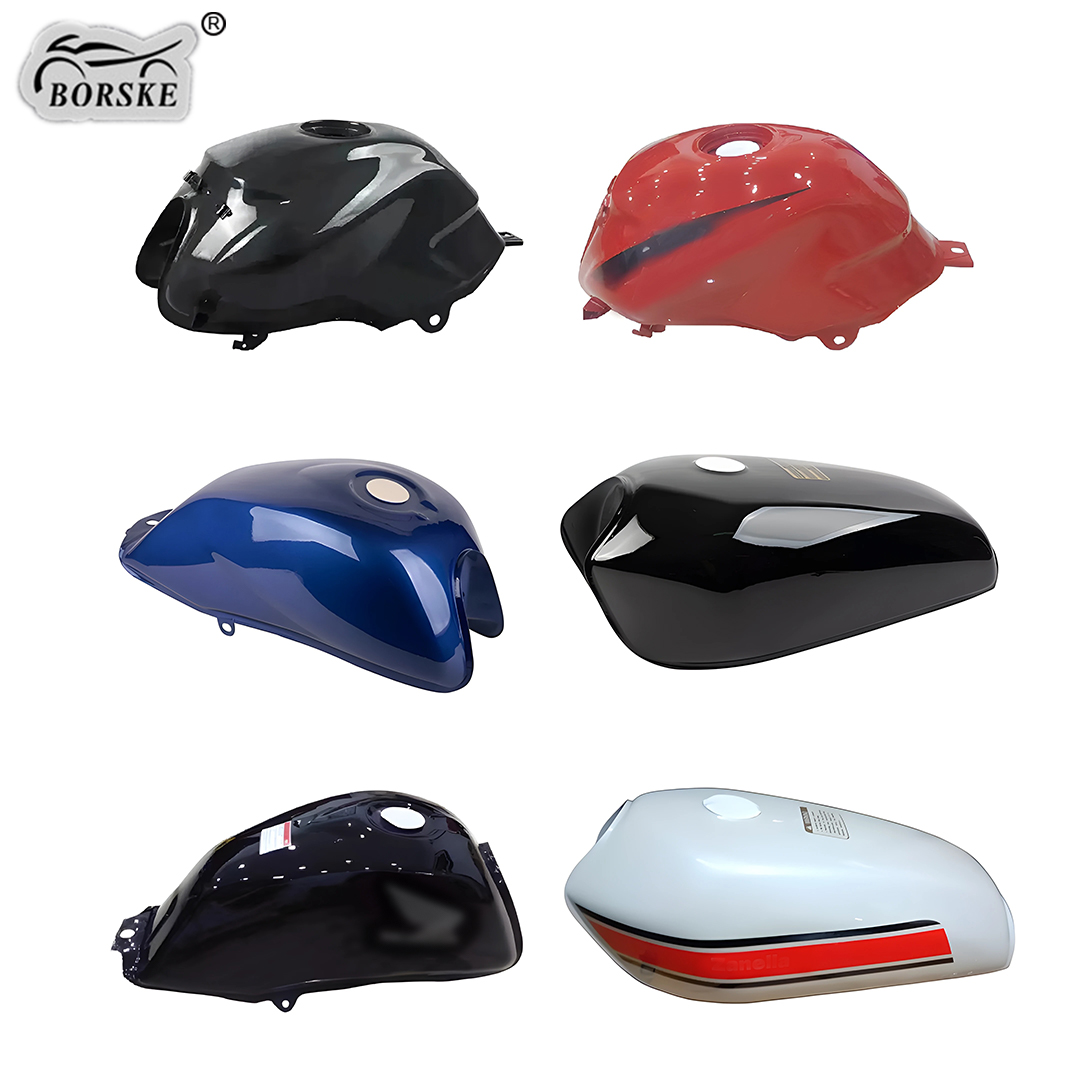
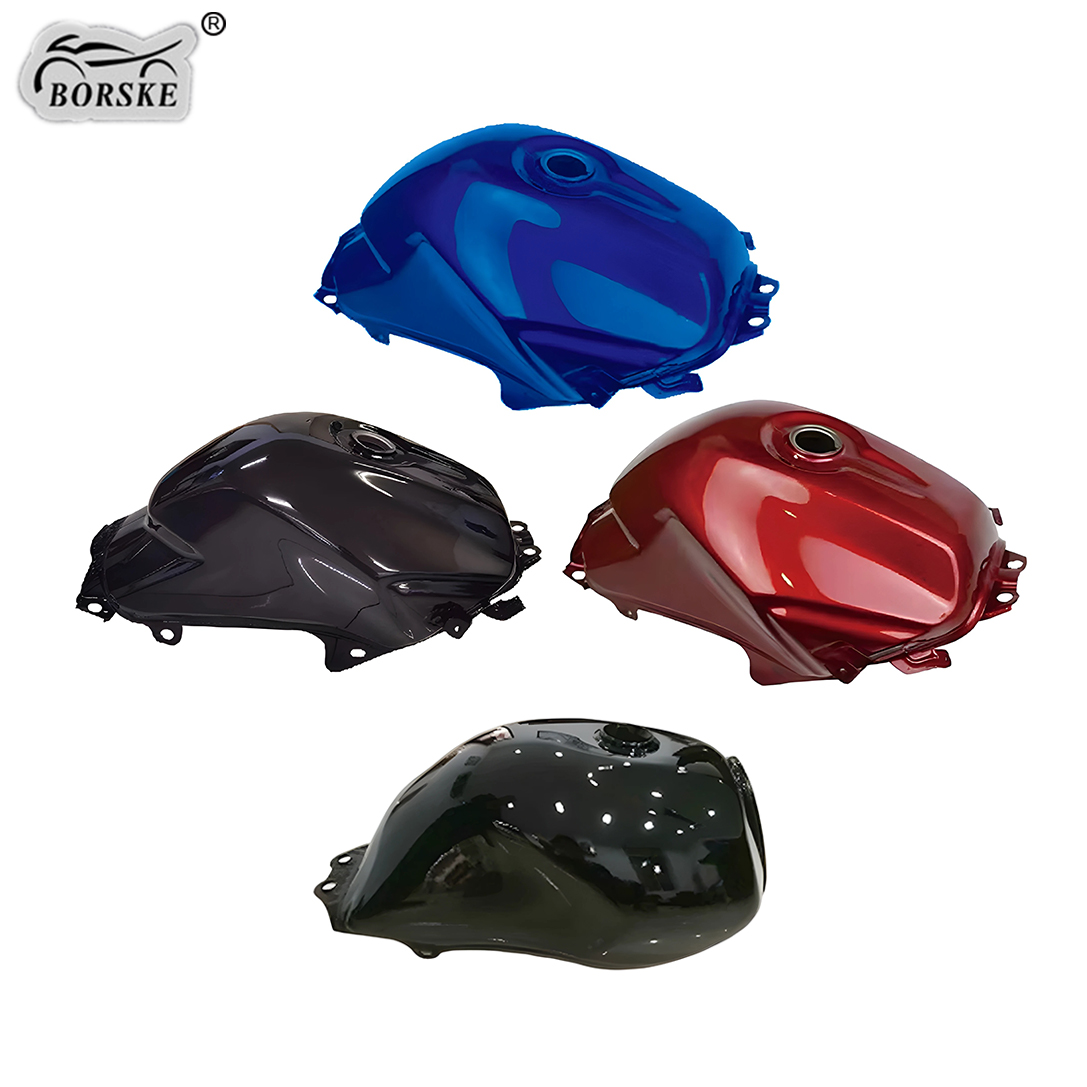
Motorcycle Fuel Tanks are a crucial component of a motorcycle’s design, serving as the storage unit for the fuel that powers the engine. A well-designed motorcycle tank not only supplies fuel to the engine but can also influence the motorcycle’s appearance, riding range, and overall performance. They come in various shapes, sizes, and materials, depending on the type of motorcycle and its intended use. Here are some key aspects of motorbike fuel tanks:
Steel: Durable and commonly used in classic and cruiser motorcycles. A steel bike petrol tank is also popular for riders who prefer a traditional and classic motorcycle style.
Aluminum: Lightweight and often used in performance-oriented bikes. Aluminum motorcycle tanks can help reduce overall motorcycle weight.
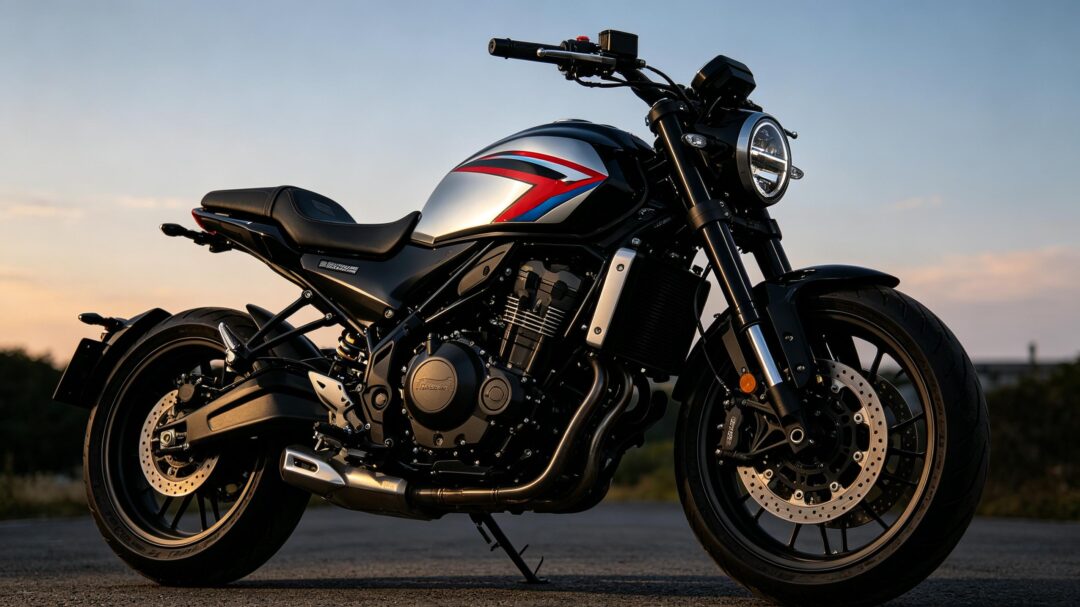
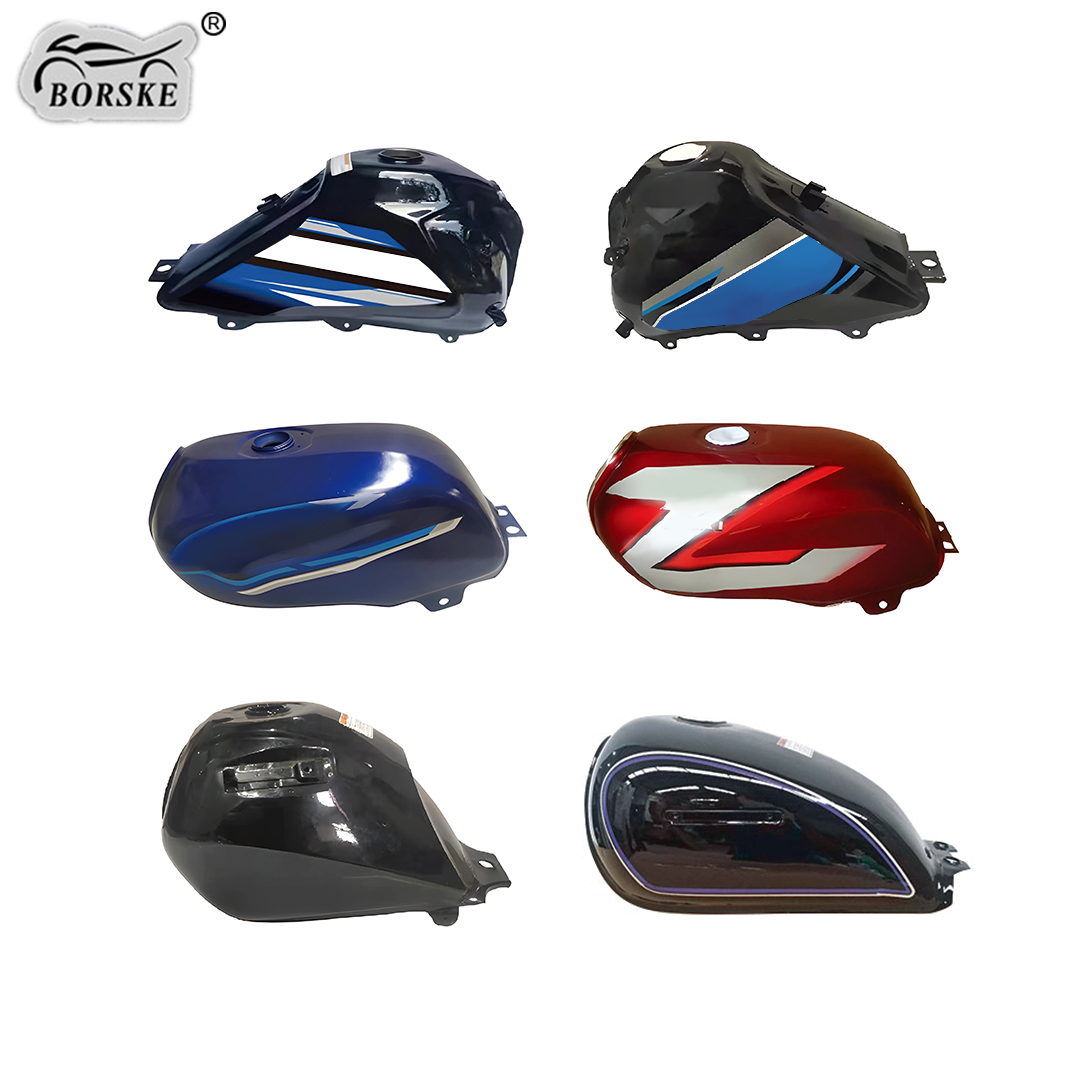
Shape: The design of the motorbike tank can vary significantly, from sleek and aerodynamic for sport bikes to bulky and rounded for cruisers. The shape of a fuel tank motorcycle can also affect riding comfort and the overall appearance of the bike.
Capacity: Classic motorcycle fuel tanks capacity ranges from small (around 10 liters) for city bikes to large (over 20 liters) for touring motorcycles. Choosing the right motorbike petrol tank capacity can help balance fuel range and motorcycle weight.
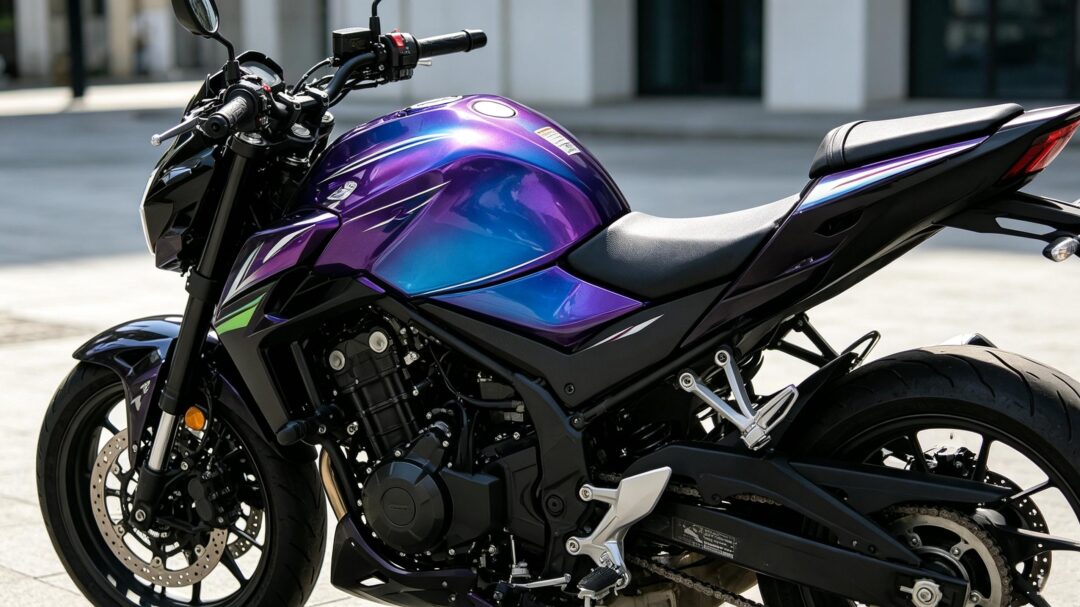
1. Fuel Gauge: Many modern motorcycles come equipped with a fuel gauge to indicate the level of fuel remaining in the motorcycle tank.
2. Reserve Tank: Some motorcycles have a reserve fuel supply that can be switched to when the main fuel tank motorbike runs low.
3. Fuel Pump: Fuel-injected motorcycles have an electric fuel pump inside the fuel tank motorcycle to deliver fuel to the engine.
4. Fuel Cap: The fuel cap on a motorbike fuel tank can be a simple screw-on type or a more complex locking mechanism for security.
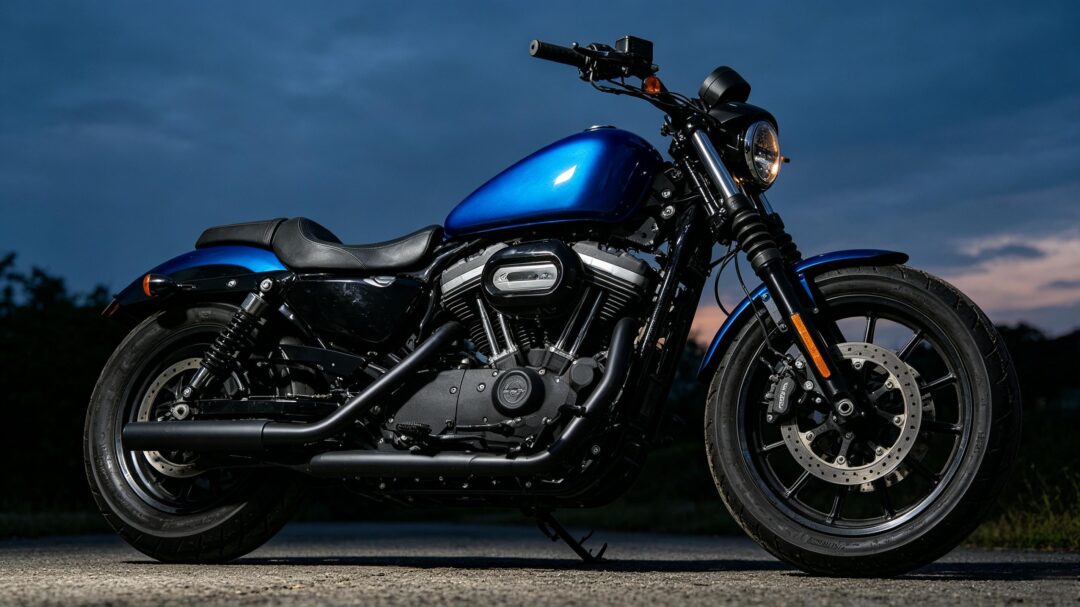
Cleaning: Regular cleaning of the fuel tank moto is essential to prevent rust and sediment buildup.
Inspection: Periodically inspect the motorcycle tank for leaks, dents, or other damage that could affect performance.
Lining: In older metal motorbike tanks, a fuel-resistant liner can be applied to prevent rust.
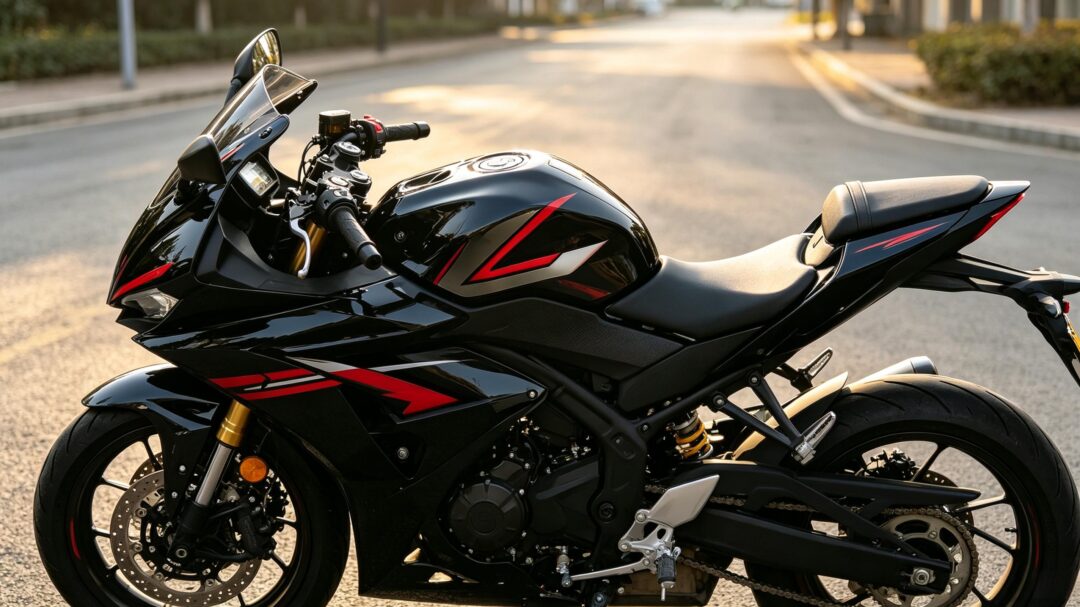
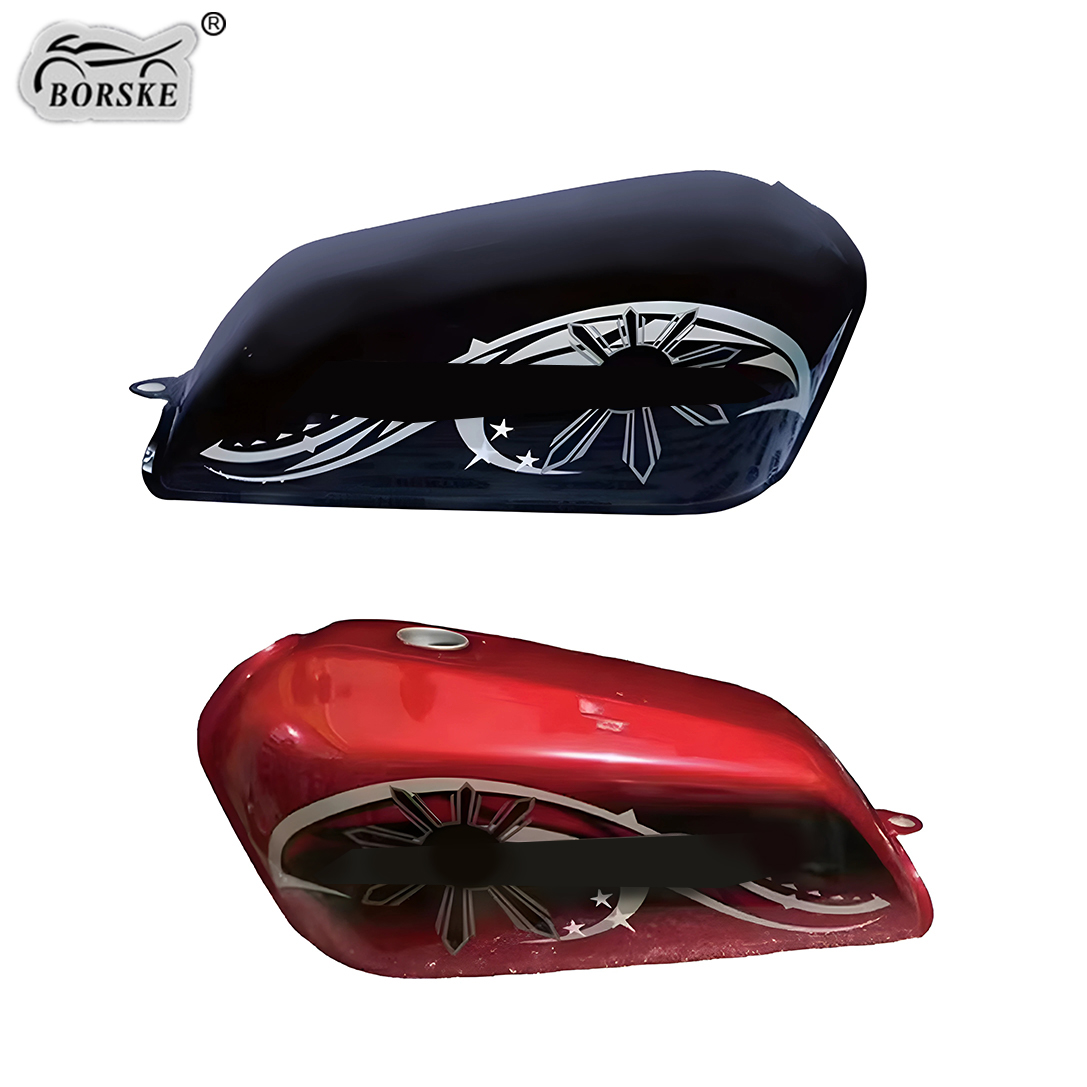
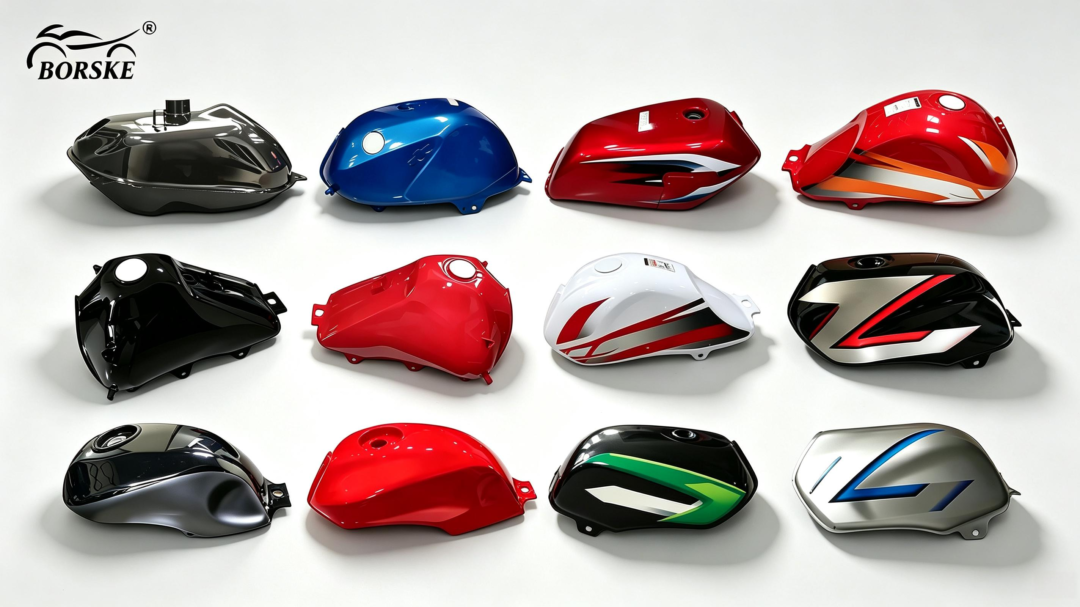
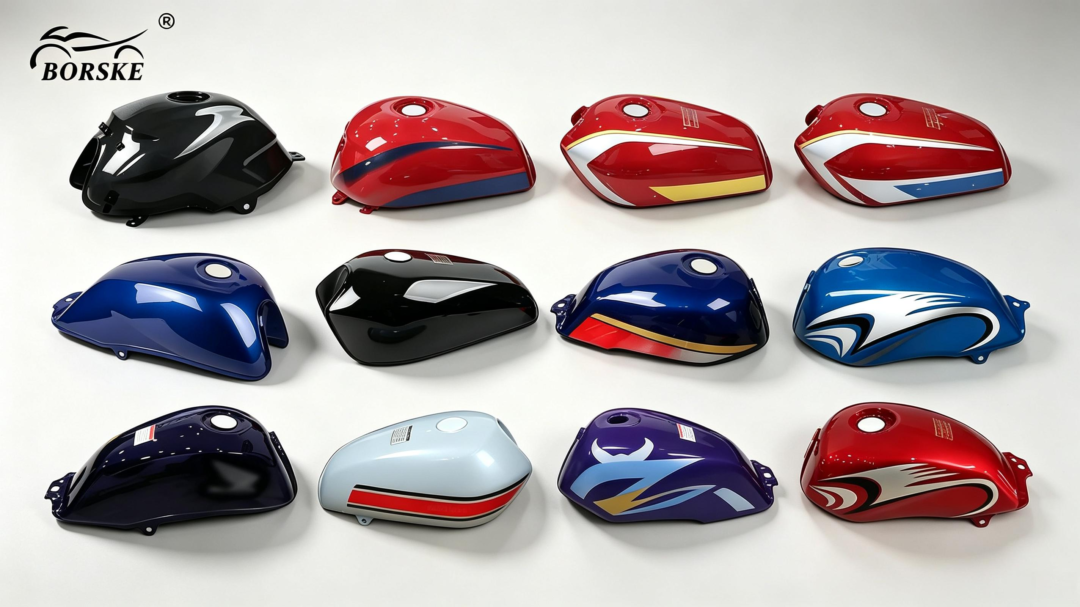
Paint and Graphics: Many riders customize their motorbike petrol tank with unique paint jobs or decals to create a personalized motorcycle style.
Aftermarket Tanks: There are aftermarket motorcycle tanks available for those looking to replace or upgrade their fuel tank motorbike for better performance or aesthetics.
Ventilation: Fuel tank motorcycle systems are designed with ventilation features to manage pressure and prevent vacuum build-up.
Impact Resistance: Modern motorbike fuel tanks are designed to withstand impacts and reduce the risk of fuel leakage in the event of a crash.
Understanding the specifics of your fuel tank moto can help in maintaining its performance and longevity. Whether you’re riding a sport bike, cruiser, or touring motorcycle, the motorbike tank plays a vital role in your riding experience.