

Manufacturing and wholesaling high-quality car wheels

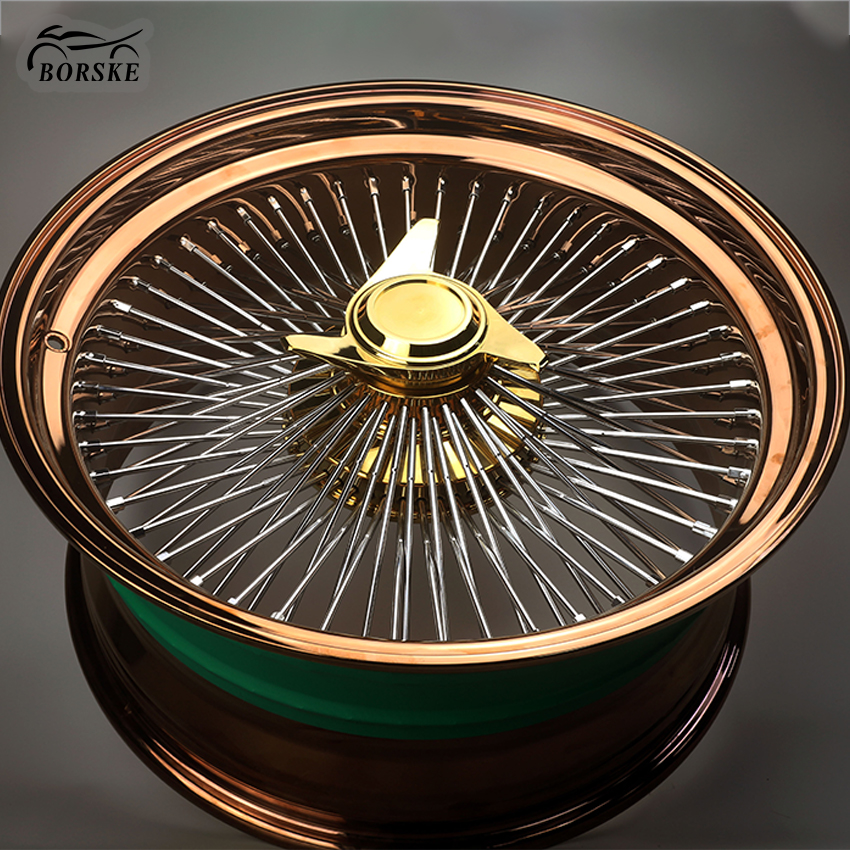
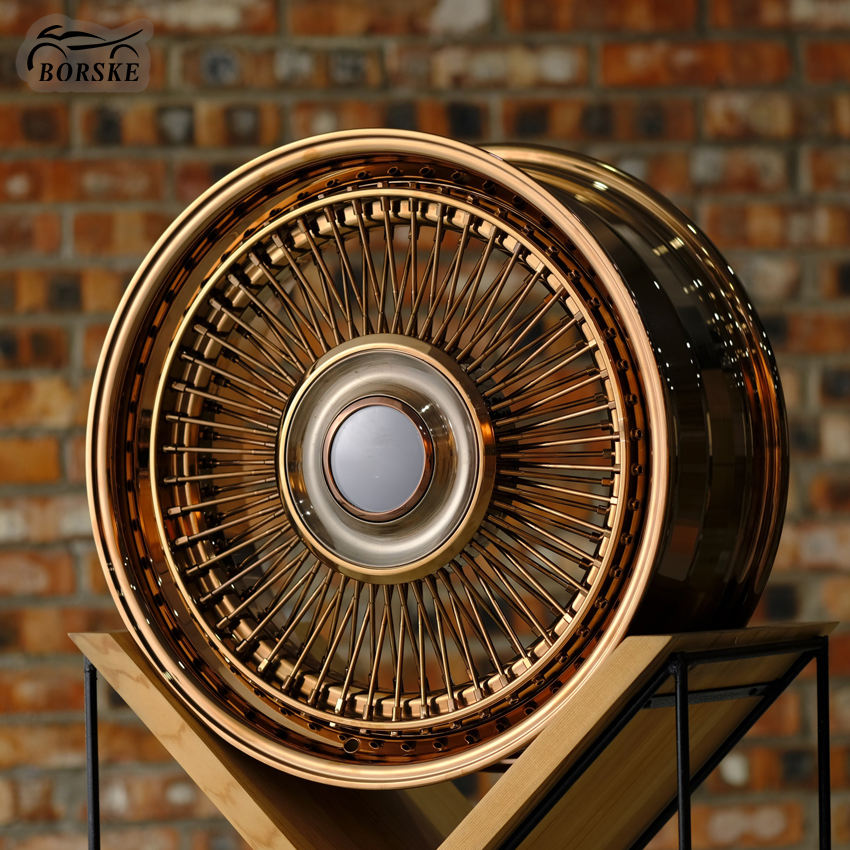
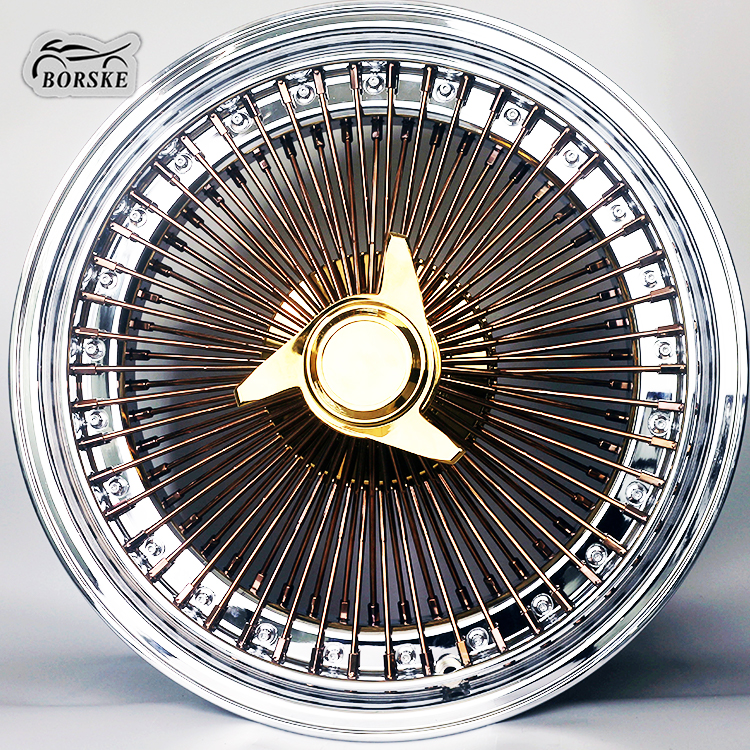
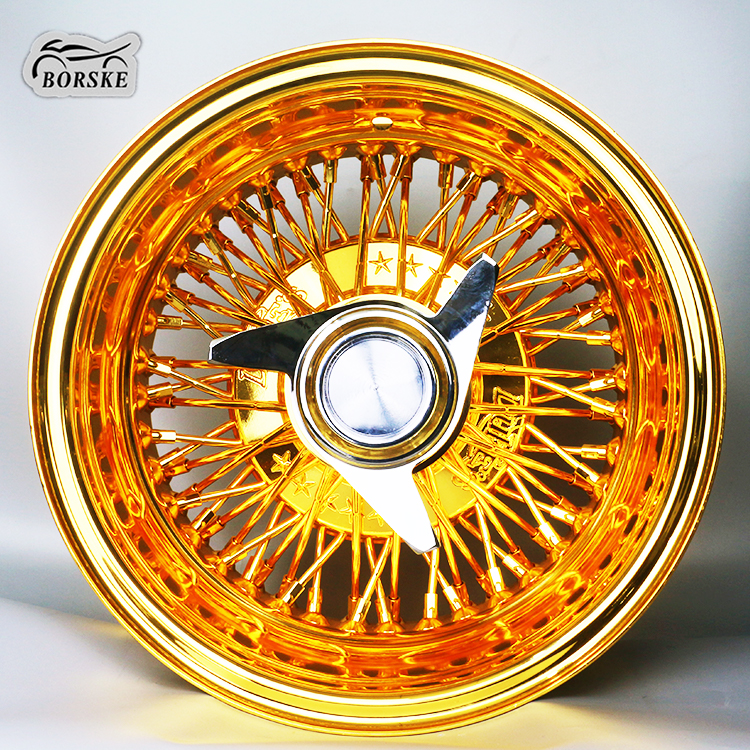
Automotive wheels are an essential component of any vehicle, and choosing the right type can significantly impact its performance and aesthetics. Steel wheels are the most common, while alloy wheels are lightweight and more visually appealing. Forged wheels are the strongest but also the most expensive. The size, weight, width, and offset of the wheel also have a significant impact on the vehicle’s performance, making it crucial to choose the right wheel for your needs.

제품 카테고리

오토바이 부품의 광범위한 재고

찾고 계신가요
오토바이 부품 및 액세서리?

닝보 보르스케 차량 부품 주식회사(Ningbo Borske Vehicle Parts Co.,Ltd.)는 해외 시장에서 판매되는 오토바이 부품 및 액세서리를 전문으로 하는 현대적인 회사로서 연구 개발(R&D) 및 제조를 통합하고 있습니다.

문의하기

    견고한 제조 능력

    합리적인 가격으로 신뢰할 수 있는 제품을 제공하기 위해, 보르스케는 장기 파트너 관계를 가진 우수 공급업체 약 500곳과 협력하고 있습니다. 현재 우리는 오토바이, 오프로드, ATV, 스쿠터, UTV 부품 및 액세서리를 포함한 거의 18,000개 범주를 제공할 수 있습니다.

    OEM 맞춤화는 언제든지 환영합니다. 우리는 고객이 만족할 수 있도록 각 제품의 모든 세부 사항에 항상 주의를 기울여 왔습니다.

    생산 장비 CNC 가공 센터, CNC 선반, 전기 방전 절단기, 레이저 절단기, 펀칭기, 벤딩기, 용접기, 연마기, 사출기 등.

    맞춤화

      광범위한 사례 연구

      결과 없음.

      추천

      There are some significant differences in materials and features between steel wheels and aluminum wheels for car spoked wheels. Here’s how they compare:

      1. Material
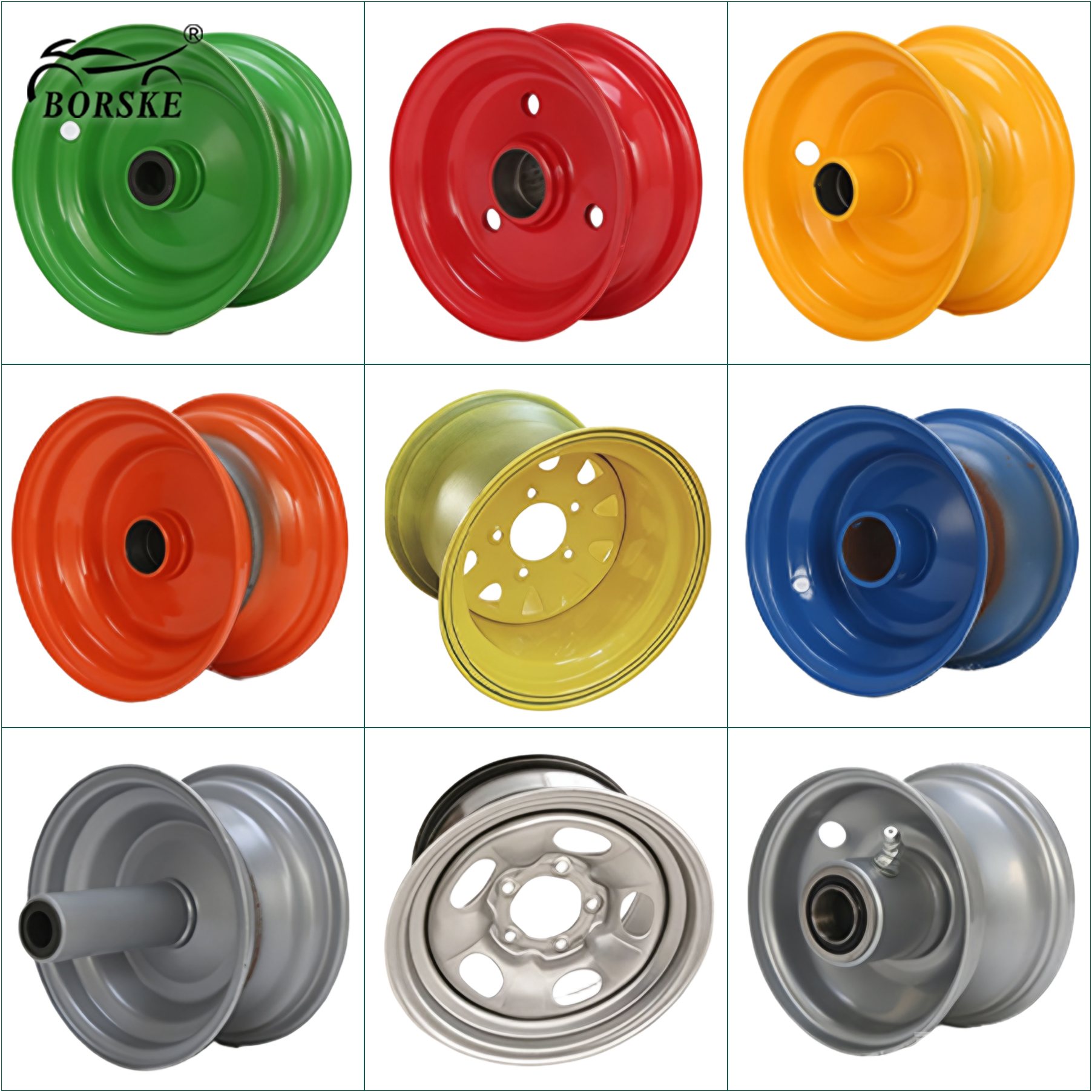
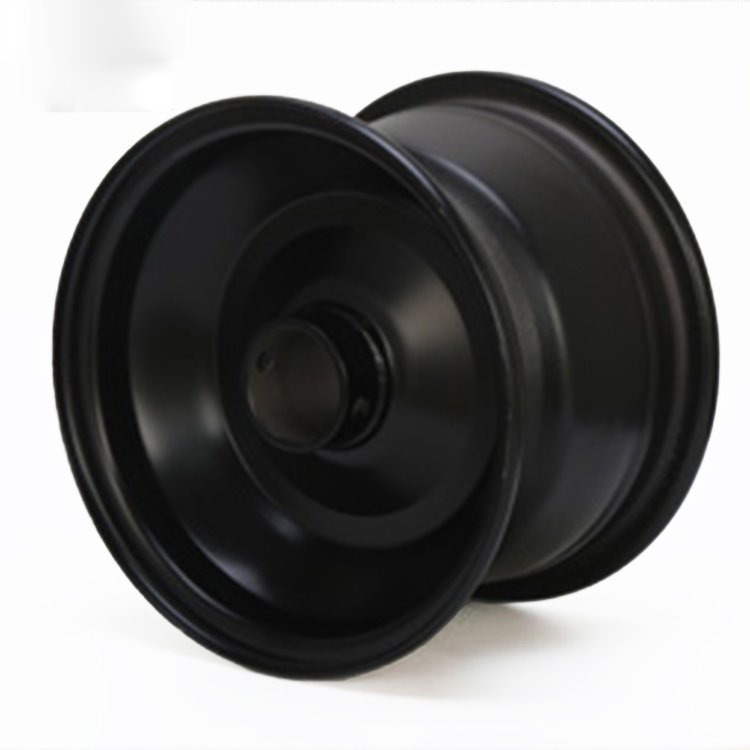
      Car Steel Wheels with spokes :
      Material: Steel wheels are usually made of mild steel that is stamped, welded and surface treated (such as galvanized or spray-coated).
      Strength: Steel has high strength and durability and can withstand large impacts and loads.

      Aluminum wheels:
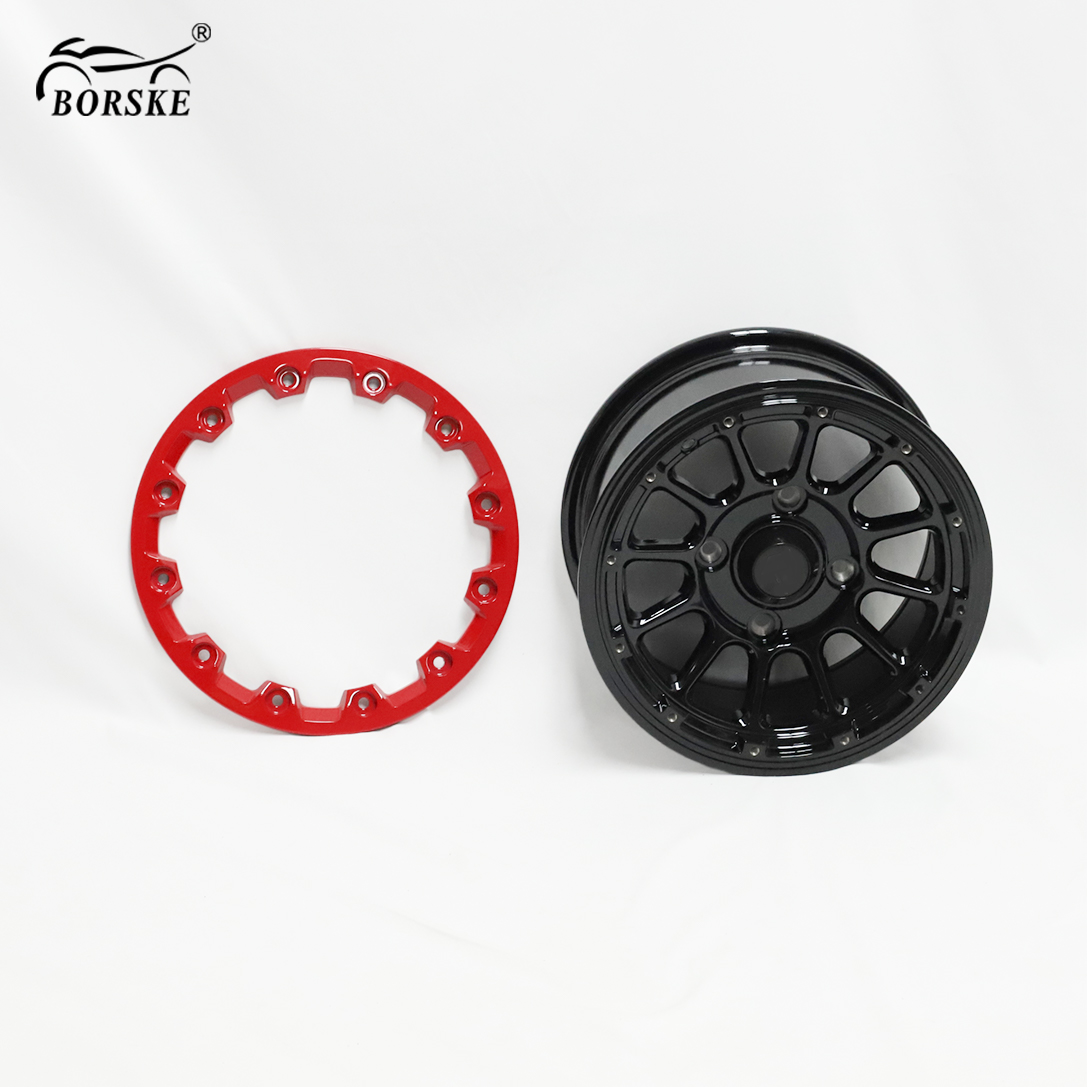
      Material: Aluminum wheels are usually made of aluminum alloy and are generally produced through a casting or forging process.
      Weight: Aluminum alloys have a lower density and aluminum wheels are generally lighter than steel wheels.

      2. Features
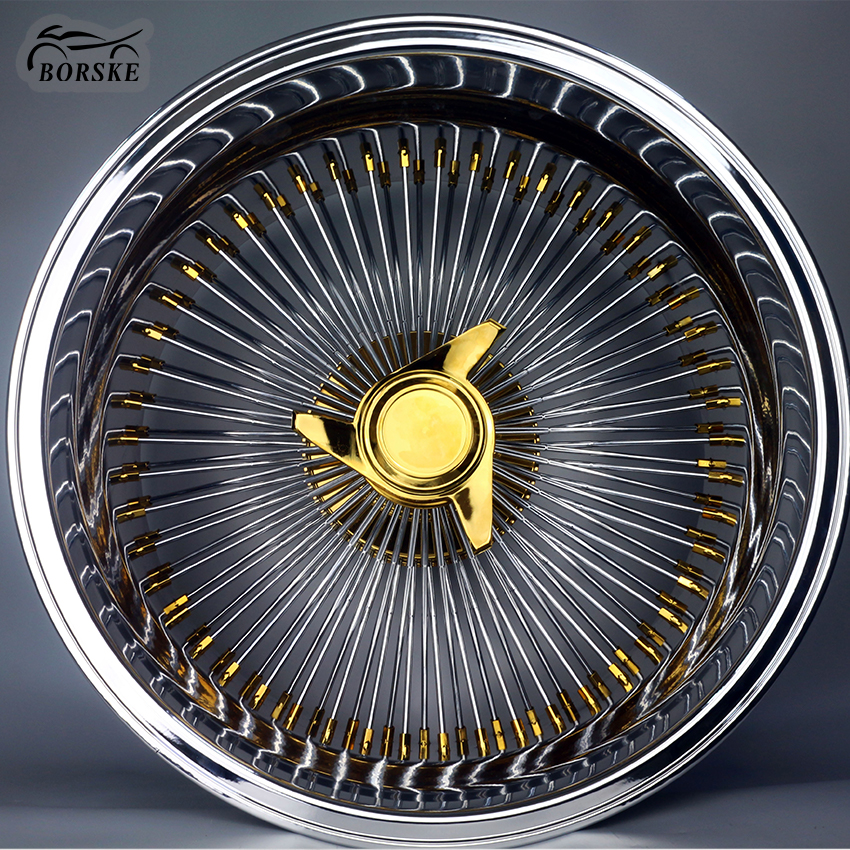
      Car Steel Wheels with spokes:
      Durability: Steel wheels have excellent durability and are less likely to be damaged especially in harsh driving conditions, such as off-road or in bad weather.
      Repair: If the steel wheel is bent or deformed, it can usually be repaired by hammering or other methods.
      Price: Steel wheels are less expensive to produce and are generally cheaper than aluminum wheels.
      Appearance: The appearance of steel wheels is relatively simple, and they generally pay more attention to functionality. They are often found in entry-level models or commercial vehicles.

      Aluminum wheels:
      Weight: Aluminum wheels are lighter, which helps reduce unsprung mass, improving vehicle handling and fuel efficiency.
      Heat dissipation: Aluminum alloy materials have better thermal conductivity, which helps the braking system dissipate heat faster and improve braking performance.
      Design diversity: Aluminum wheels can be designed into various complex shapes and are more beautiful in appearance, so they are often used in mid- to high-end models and sports vehicles.
      Corrosion: While aluminum itself is not prone to rust, it is susceptible to corrosion (especially magnesium alloys) and requires good surface treatment to prevent corrosion.

      3. Application scenarios
      Steel wheels: 
      Mostly used in economical models, commercial vehicles, and situations where high strength and durability are required. They perform better in poor road conditions and cost less.
      Aluminum wheels:
      Widely used in cars, sports vehicles and high-end models, especially in markets that focus on appearance, handling and vehicle lightweight.

      So Steel wheels focus on strength and durability, making them suitable for price-sensitive situations that require high durability.
      Aluminum wheels have advantages in lightweight, maneuverability and aesthetics, and are more suitable for high-performance and high-end models.
      Depending on the use and needs, you can choose the appropriate wheel type.

      문의하기